THANK YOU

Dear readers, you have helped me reach my goal early. You don’t even know how much that means to me, so I’m going to show you the only way I know how: with a book.

Instructions

My giveaway for the signed edition of The Wall is still running, but to one of you early donors I will be giving a copy (not signed, I’m afraid) of one of the most heartening and inspiring books I know– Instructions. If you donate before tomorrow morning, you’ll be eligible to be included. I’ll do the random draw tomorrow and contact the winner then! Here’s the link to the original post and the fundraiser.

Thank you so much! Check back tomorrow for the winner of Instructions!

Happy Canada Day!

Happy Canada Day to all of you Canadians out there!

I’m so proud to count myself among your number, and, right now, for two special reasons:

a) Do you know how many Canadians needed to donate to my very USA-specific fundraiser? None. They could have looked the other way and said “not my problem.” But did they? No! And that’s one of the things that makes me so proud to be Canadian– we don’t look the other way. We participate, not nosily, but consciously and conscientiously. Thank you, Canadians, for donating to RAICES today and every day.

b) BOOKS! Do you know how many fabulous books are coming out in Canada these days? As the Changeling would say, “A thousand million hundred TRILLION!” A lot. I’ll tell you about three. (OK, sort of four.)

I already told you about Albert’s Quiet Quest, but it’s Canadian and worth a reminder today!

Albert's Quiet Quest

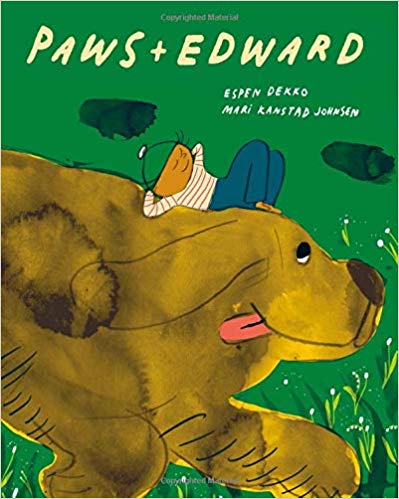
Now, this next one is a wistful book: Paws and Edward by Espen Dekko and Mari Kanstad Johnsen.

Paws and Edward.jpg

Paws and Edward is about the sweet, large, lumbering Paws who used to chase rabbits and go for long walks and now needs rest. A lot of rest. Ultimately, he falls asleep one last time, but Edward goes on to dream of Paws’s younger days when he used to chase rabbits with vim and delight. It made me cry right there in the book shop, I admit, but that was OK, because when they showed me the ARC they warned me it would. I’m going to argue a bit with the suggested age range here (ages 4-7) and say it would work for slightly older kids, too, because the text is nuanced and any kid going through the life and death of a senior pet will need that nuance for comfort. This is not a “Rainbow Bridge” style comfort talking about where your pet goes after death, by the way. This is straightforward: Paws was here, and now is dying. Edward is sad, but is comforted by dreams of Paws’s youth. There is no false comfort, at all. It is heartbreakingly sad, but comfort and healing comes in the form of reality and memories, and in letting your kid know they’re not alone. I highly recommend it for any kid going through deep personal loss.

OK, so maybe my theme for Canada Day is sad Canadian books? Because Ojiichan’s Gift (also from KCP!) by Chieri Uegaki and Genevieve Simms, is also rather sad.

ojiichan_s_gift.jpg

When Mayumi is little, her grandfather, Ojiichan, makes her a garden, and every year she visits him and they tend the garden together. Raking the gravel is her favourite part. Then, one year, he’s grown too old to stay in his home and has to move– leaving her garden behind. But Mayumi, slowly working through her grief, finds a way to preserve her garden and their joint connection. Like Paws and Edward, this is recommended for ages 3-7 but I think will work at an older age, too. It’s not in the least sentimental– it’s a straightforward story of grief, love, loss, and connection. I loved it, and I think you will, too.

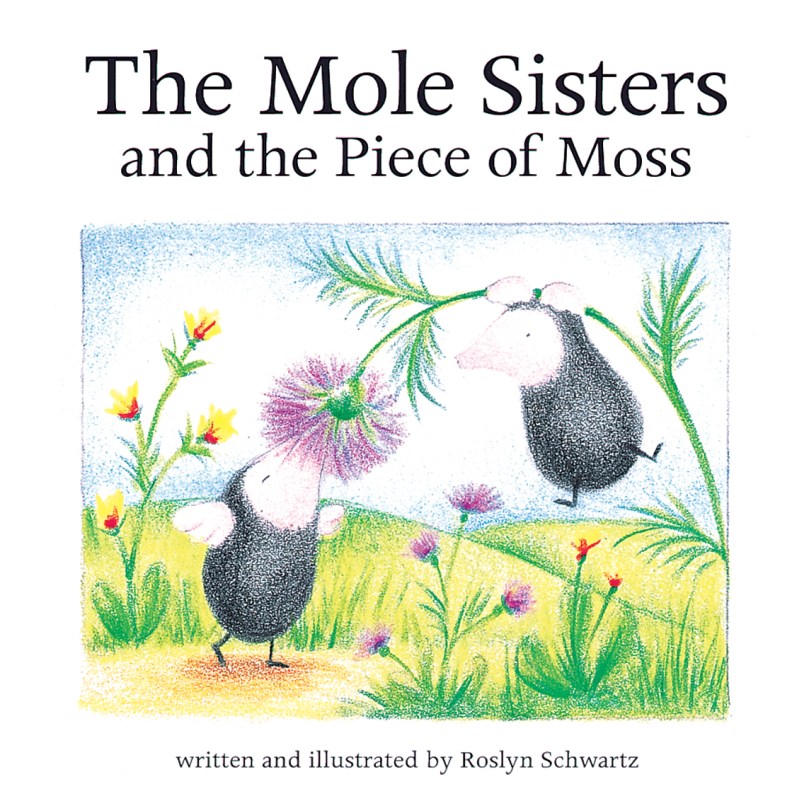
That’s been a lot of heavy stuff, but Canadian kids’ lit is often very fun, light, and funny– just check out the adorable Mole Sisters books by Roslyn Schwartz! They’re all great, but check out The Mole Sisters and the Piece of Moss.

Mole Sisters Piece of Moss.jpg

In this delightful story, the mole sisters, who normally live underground, decide to show a piece of moss a good time. They take it up, to the top of the world, roll down with it, look at the stars (“They’re so pretty… just like us.”), and finally take the moss home with them to snuggle into at night. Joyful, fun, and unsentimental, the mole sisters have fun wherever they are and whatever havoc they might be wreaking!

Dear readers, I hope I’ve shown that there is quite a range of Canadian lit for kids– and I’ll continue to highlight whatever comes out whenever I can! I’m proud to be Canadian, today and every day, and proud to share our glorious words and images with the rest of the world– so go to your local book shop today and ask for the finest in Can lit!

Fundraiser/Giveaway Update!

You are amazing. Yes, you.

Since I posted last, you have raised almost half of what I asked– $219/$500!

Thank you does not begin to cover it.

But I’m not stopping there: this is just a little thank you and also a little nudge to donate and to share:

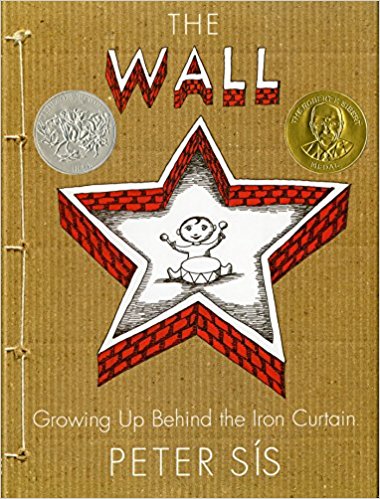
If you donate at least $10 by July 17, I will count you towards a draw for The Wall by Peter Sís.

The Wall

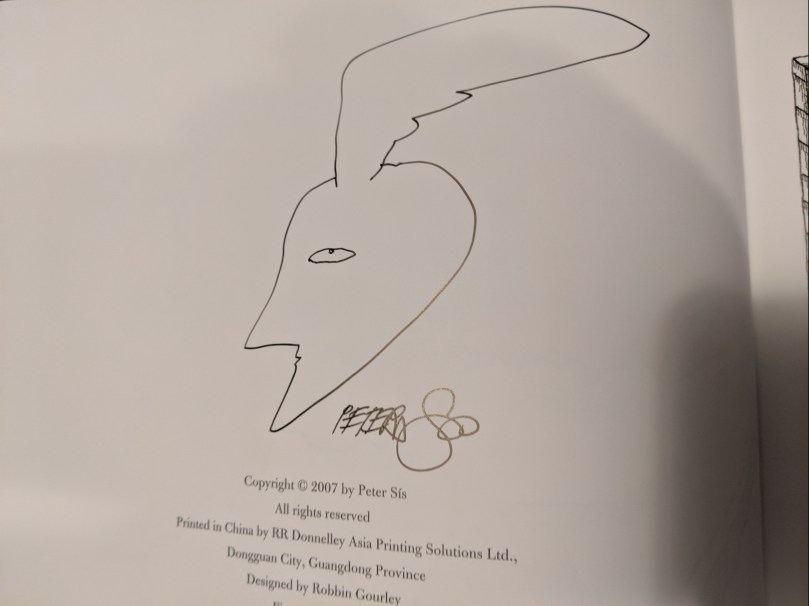
It is signed and doodled by the author!

img_20190620_160932

PLEASE SHARE. I am floored by the people who have shared this fundraiser and the responses I’ve been hearing.

So, please don’t stop– the kids at the border need help today, now, and you and I can provide that help!

Thank you. Email me with questions at deborah@childrensbookroom.com!

Fundraiser and Giveaway

Hi, everyone! I already gave you a heads-up this was going to happen, but my fundraiser/giveaway for RAICES has just gone live over here: https://www.classy.org/fundraiser/2167845

I give a heartfelt plea over there explaining why I want you to donate to RAICES, but if you’re at this blog already, you probably know why. You know about the inhumane treatment of children and families at the border, you know about kids not being provided with basics like soap and toothbrushes, you know about kids being kept overnight in trucks– I’m going to stop before I upset myself again.

So instead of loading you with stories, I’m here to provide three things you can do!

a) You can donate to RAICES (here’s that link to my fundraiser again) then tell me about it and I’ll enter you into my giveaway. (Details below.)

b) You can, please, share that link with others and ask them to donate. Even if they don’t, you’ve just spread awareness, and that’s amazing. Thank you.

c) RAICES sent me a sheet for writing cards to welcome the folks at the border. It’s so easy to do, fun with kids, and helps to educate kids without overloading them. I did it with my almost-six-year-old and it helped her surmount her fears of the news stories she’d been hearing, we had a great conversation, and she said, “It’s a serious situation. I’m glad we’re helping.” It costs no money, little time, and is a nice thing to do. Email me and I’ll happily share the form!

Now, the giveaway! To thank you all for being so generous, I have an extra special reward.

This fundraiser is going to run from now to my Changeling’s 6th birthday on July 17. If you donate $10 or more by that time, email me at deborah@childrensbookroom.com. I will enter you in the draw for a SIGNED AND DOODLED copy of The Wall by Peter Sís. (THANK YOU to The Eric Carle Museum for hosting him and letting me pre-order a signed copy!) Here’s a crappy picture of the doodle and signature:

img_20190620_160932.jpg

I have exactly one copy. I will choose one of you at random to win this copy. I will mail it to you, anywhere in the world.

I’ve set $10 to be an affordable minimum, but please do remember two things: a) I’ve set the fundraiser goal at $500; b) the average hardcover picture book costs about $18.

Good luck, and thank you for contributing! Email me at deborah@childrensbookroom.com with any questions!

Picture Book Roundup + Giveaway Alert

OK, folks, so I’m still overwhelmed by all the great books I haven’t told you about– and saddened and angry by some Bad News in The World. So let’s start with the books, and then we’ll get to The News and my response to it. (Spoiler: my response is to try to turn it around and do a little good.)

The books I’m going to talk about are a total mishmash of styles and stories. All are relatively recent, and all are really, really great. I got all of them at my local Children’s Book Shop, and, as always, suggest you support your local shops! (Or library. Libraries are fabulous, too.)

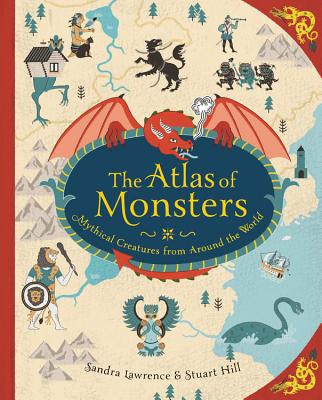
I want to start with The Atlas of Monsters by Sandra Lawrence and Stuart Hill.
The Atlas of Monsters.jpg

This one was a completely unintentional purchase. I have a thing, you see, about dictionaries and atlases and encyclopedias. They give me little tickles on my spine. I have… a lot of them. Well, I was at the book shop and had to shift this book to get at one that I wanted, and then I looked at it, and then somehow I didn’t put it back down again…

It’s a gorgeous book, fanciful and encyclopedic in one. The preface is masked as a scholar’s take on a manuscript she found, giving the reader a little chuckle at the funny backstory, but the contents are well-researched and comprehensive, covering monsters from Great Britain and Ireland through all of Europe then into Asia and the Middle East and Africa and– you get the picture. It’s not just a cute pamphlet. It is, as I already said, utterly comprehensive and diverse. It’s full of maps and stories and great detail and, my goodness, I FELL IN LOVE. Better and better, it’s chock full of little notes from the “scholar” on the “manuscript” she found– what could be better for a nerd like me?

A sample of “monsters” which I have selected by the simple expedient of opening the book at random and seeing where my glance fell: From Russia and Central Asia, the Shurale (a forest monster); from South and South-East Asia, the Apalala (a ghastly water monster); and for the sake of letting you feel clever, I will note that there are also such familiar monsters as Selkies. That’s a tiny sampling of the enormous range in the book, all clearly organized so as not to be overwhelming to the reader.

If you have a clever reader in your midst, especially one who knows a bit about mythology and folk or fairy tales to begin with, this is an exceptional book. I also think it would do very well for a more reluctant reader with a taste for great illustration and the fantastic. They’ll be amused by the scholarly notes and wonderful pictures, and drawn into the snippets of stories to look for more… I would peg this as being perfect for a ten-year-old, but depending on your kid’s reading level, seven or eight and up should do it.
Adrian Simcox

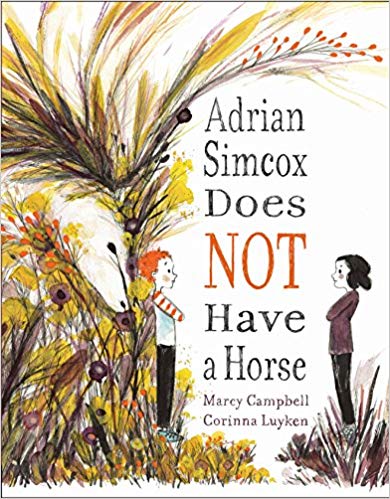
I don’t think we’ve talked before about the heartbreak of my love for loose, flowing, yet regimented linework? You know– Ardizzone, Voake, Hughes, etc., etc. Well, then you must be already saying to yourselves, “Ah, then Corinna Luyken is definitely up your alley.” Oh, those lines! Colour is all very well, but ink! pencils! lines!!! 

So, yes, it’s a crying shame I haven’t written about Corinna Luyken before now– although you surely know her work– and her collaboration with the equally flowing-yet-regimented text of Marcy Campbell in Adrian Simcox Does Not Have a Horse produces a tender book of heartbreaking beauty (sorry to use “heartbreak” twice in two paragraphs, but I think it’s warranted here).

So, for once I’m going to take issue with a publisher over the age range presented for a book. I normally defer to authorities on these points, because I’m terrible at judging ages for books. I read The Odyssey when I was about nine. I cannot judge what’s age-appropriate AT ALL.

But.

This book is quietly listed on Amazon as being for ages 3-5. I… disagree. Oh, surely a three-year-old will enjoy the lovely art and simple, straightforward story. But this book has so much nuance! It reminds me of no other book so strongly as Eleanor Estes’s exquisite The Hundred Dresses. (Even typing that title makes my throat constrict and my eyes well up! What a heartbreakingly– there I go again– beautiful book!)

Both are about children with strong and free imaginations, and the other children who adamantly plague them or otherwise counteract that freedom and wildness. Adrian Simcox insists he has a horse– and he does, of sorts. Just not the way you or I would think of it. But, we realize, as the book draws to a close, he is wiser than we are.

I wouldn’t say this book is “too old” for a three-year-old. Oh, it’s not! But I think pegging it at that age bracket will deter older readers, making them think it’s too young for a clever, say, seven-year-old, whereas I think the sweet spot would be more like 5-7. It’s smart, wistful, beautiful. Let kids read this until they’re ready for Estes, and then progress to Estes. Then we’ll have covered all of our bases on accepting differences, welcoming imaginative children, deterring bullying, and embracing otherness.

I need to buy this one for more people, remind me.

Albert's Quiet Quest

Lastly for today, I finally reached a VERY NEW BOOK in time to talk about it while it’s still new! Oh, I’ve been so excited for Isabelle Arsenault’s book which was written precisely for me when I was a child: Albert’s Quiet Quest.

Dear God, was I excited when I walked into the shop today and Amy pulled me aside to give it to me! I… maybe had been badgering them about it for a while? I have sort of a crush on Isabelle Arsenault– again, that loose linework! It’s gorgeous.

But the colours in this book and the shifting landscape between Albert’s reality and his inner world are what get to me. It’s all in blues, blacks, and oranges, and yet it’s not dull; it’s vibrant in the orange, quiet in the blue, and rooted in the blacks.

The story is of Albert who is looking for peace and quiet to read his book. But people keep showing up with activities and animals and noise. (Raise your hand if you just wanted a quiet space to read when you were a kid?) Finally, as I only dreamed of doing when I was a child– Albert LOSES IT. He stands up and– I’m not going to spoil the moment for you. It’s a marvellous one and you need to experience it on your own.

Suffice it to say, the twist ending is deeply, deeply satisfying and gloriously vindicates the quest for quiet reading.

This one is recommended for ages 3-7 and I think that’s absolutely right. The art is beautiful, the story is straightforward, and the message has a subtle nuance accessible to the older children but won’t confuse younger readers.

And parents will love it as much as their children will.

All of that beauty has soothed me such that I feel more courage to face the Big Bad News, which is this: Trump administration to send migrant children to former Japanese internment camp. If, as for me, this makes you sad and angry (to put it mildly), you might be looking for a positive outlet.

Which is where I think I can help! I’m going to hold a giveaway raffle next week. I tell you now so that you can start to prepare. Here are the details:

I have preordered a SIGNED copy of The Wall from the Eric Carle Museum of Picture Book Art in Amherst, MA. I am going to raffle it off on this blog as soon as I get it (which should be next week).

How it will work is this: You will make a donation of at least $10 to RAICES Texas who are fighting the good fight. (I chose $10 to be accessible to everyone, but please be generous if you can. Remember the value of the average hardcover picture book is $18.)

PLEASE EMAIL ME AT deborah@childrensbookroom.com:

a) To say you donated

b) Your receipt (or some proof/how much you donated)

c) Your mailing address

I will keep track of who donated and how much. At the end of the giveaway I will randomly choose the winner and mail out the book! As always, I place no restrictions based on location (NO WALLS) and I will cover the costs of shipping.

I will post again with full details as soon as I get the book, but get started on donating and spreading the word right now, and if you have any questions either comment here or email me at deborah@childrensbookroom.com!

Let’s spread a little light and goodness, shall we?

A Few Quiet Postcards

When I graduated, I was sure I was just going to write here ALL THE TIME. IN ALLCAPS. I would get SO MUCH BLOGGING DONE and CATCH UP ON ALL THE BOOKS.

Then I realized I had other stuff to do in the real world, off the internet, and that hasn’t happened. But I’m bound and determined to get some more writing done, so I’ve decided to write some more “postcard” like posts. Here are three fairly recent books I’ve been meaning to write about but never got around to during my PhD. They form kind of a theme along the way, about quiet and isolation and family. I have to get the Changeling from school, so this is quick and largely unedited– but, trust me, the books are good.

In no particular order, three books I loved and you and your kids might love, too.

Leave Me Alone.jpg

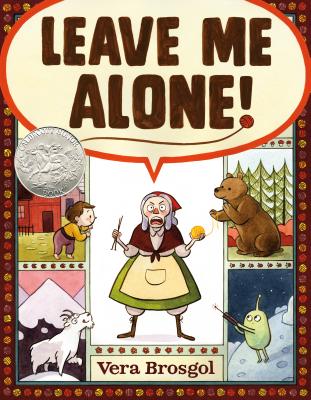
Vera Brosgol’s Leave Me Alone! comes first. I found this one at Type Books in Toronto over Passover. God, I love that store– if you’re ever in Toronto, check it out! Best-curated book shops in the city, I’m convinced of it.

Anyway, this one practically jumped down off the shelf at me. It’s humorous and cranky, yes, but strangely tender, too. OK, I have to acknowledge before I go any farther: knitting is involved. Yes. But, like Extra Yarn, it’s not a knitting book. This one is a book about time and love and family. About needing space and quiet (very reminiscent of Five Minutes’ Peace, in some ways…), but, in the end, also needing society and company and love. BUT through a deliciously cranky, spectacularly ornery, old lady– not unlike Sophie after her transformation in Howl’s Moving Castle. I love it, the Changeling loves it– it’s perfect for her at age almost-six, but anyone who loves goats and aliens and children will love it.

The Goose Egg.jpg

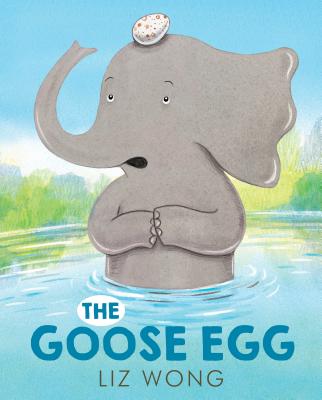
Remember Liz Wong and Quackers? (APPARENTLY that was her first book, which I don’t think I fully realized at the time, but, oh my God, I’m jealous!) I rather liked it. I believe I recall suggesting she get the Nobel Peace Prize, at the time. Well, she came out with another book this year, The Goose Eggwhich is equally adorable and earned a face-out display at the Children’s Book Shop in Brookline.

I actually, as I prepare to sum it up, sense a theme here: Henrietta the elephant seeks peace and quiet at all times. She loves Darjeeling tea and the faint murmur of the water beneath the lake. And then– she ends up with a goose egg. No, not that kind of a goose egg. A GOOSE’S EGG. And then with a gosling. A noisy gosling. And then… one day… with a goose. And, once the goose flies, no more goose, but peace and quiet again. So Henrietta should be satisfied again, yes?

Or no?

As a parent who loves peace and quiet and longs for quiet, tidy mornings, I deeply appreciated this ode to noise and mess. And I suspect you will, too. I think it would be perfect for a clever 2 or 3 years, up to about 7. My Changeling still loves it, and she’s almost six now.

OK, this last postcard is about a book which came out in 2018, and I have a SIGNED COPY– you know how I feel about that– a signed copy by SOPHIE BLACKALL (!!!) of her wonderful Hello Lighthouse.

This book almost made me cry. OK, so maybe there was a little moisture around the eyes. OK, so maybe I was very close to a sobbing mess.

You see, I’m a Maritimer by birth, and I love me a good lighthouse. I remember the excitement of introducing my Changeling to her first lighthouse in Pemaquid, Maine. There’s something beautiful and stirring about them– the quiet heroism of the lighthouse. The isolation and grace and loneliness.

But– loneliness? Not necessarily. Sophie Blackall shows the quiet, yes– except for the roaring of the waves and the battering of the wind. She shows the distance and isolation, yes– except for the letters and, ultimately, the family. The loneliness, yes– again, except for the wife who shows up and the child who is born… you get the picture.

Picture! Oh, the glorious pictures. Remember, this is the Sophie Blackall of Finding Winnie, and, you know, all of her other work. She doesn’t need me to advertise her, but, please, this book is special, even out of her other amazing work. It’s also about quiet, loneliness, and family, like the other books in this post, but ramped up to ten.

So there you go! Some weekend reading for you. Tell me, what else have I missed while I was writing?

The Juggler of Notre Dame

Readers, I’ve done it. I successfully defended my dissertation, and I’m just cleaning up the last little edits (and a few more substantive edits, because there will always be one!) before submitting it and graduating. But the brunt of the work is done and defended and I can take a deep breath and look backwards and forwards.

I feel happy. I feel sad. I feel a twinge of regret at saying goodbye to such a big piece of work. I also feel a certain pride in laying it down and saying, “I did my best. Here’s my story.”

And while I feel a certain sorrow in leaving the academic world which has been my world for my entire life, to a certain degree, I also feel excitement for the next adventure.

At this juncture, as I come to a close in one part of my life, I want to talk about a triptych of books which I’ve been hoarding. They feel very personal to me on two levels:

a) I’m a medievalist, and will always be a medievalist, even if I’m not an academic, and these are modern retellings of a medieval story;

b) I find the notion of laying your own personal talent at the feet of some higher power resonates with me very deeply.

To understand this point, I first need to talk about the story that is told in these three retellings of the same story: The Juggler of Notre Dame (that links you to all of the books, as well as to a glorious colouring book, at the HUP). In it, a juggler (jongleur, or minstrel) ends up joining a monastery, where the monks are kind to him but he feels out of place. How can he, a juggler, serve the Blessed Virgin? He cannot write her books or pray properly or sculpt her image as the other monks do! What can he do? The answer is simple and poignant: he lays his own skills at her feet, quietly slipping into the chapel to juggle and perform all the tricks he knows for her. In the original story, Jan Ziolkowski tells us in the Introduction to the edition illustrated by Maurice Lalau, the juggler dies of exhaustion as he works, but his soul is saved by intercession of the Virgin. In the editions presented here, the juggler lives. Instead, the monks, spying on him, are initially shocked by his boldness at juggling in the chapel, until they see the Virgin descend to wipe the sweat of his exertions from his brow, and they realize his gift is accepted.

I have been speaking as though all three editions here are of the same text; they are not. The Barbara Cooney story is a little simpler and honed for modern children. It’s a beautiful Christmas story, talking about the real meaning of gift-giving. The other two versions are told by Anatole France, gracefully and straightforwardly translated by Jan Ziolkowski. They’re at a slightly higher level, both in terms of language and of concept, and are both illustrated in a style very consciously drawing on Medieval manuscripts. All three are beautiful. (I initially bought only one, thinking that would satisfy me. It did not. I went back and got the other two and now I’m happy. You really need all three. Sorry about that, but there’s no help for it.)

So much for the straightforward story. Why, though, do I love it so, and why have I been hoarding it delightedly, waiting for this day to come when I finished my big work and could share this with you? First of all, simply put, these are some of the most beautiful books I own– and in my urging to you to buy all of them, I’m not being stupid. These are as lovely as Folio Society editions, and are wildly, crazily under-priced– no more than any ordinary hardcover picture book (i.e. $12-20)! It’s insane that they’re priced like this, and you should take advantage of the insanity. The art is extraordinary, the front-matter and explanations are both enlightening and heart-warming.

In his wonderful Introduction to the Lalau illustrated edition, Jan Ziolkowski discusses the history and the reach of this story– and its analogues, including the Chassidic story of the shepherd boy who opens the gates of prayer with his earnest pipe song on Yom Kippur. I single that out as it was particularly meaningful to me, being a story I heard growing up (and may talk about here one day!) through Barbara Cohen’s tender and gentle story, Yussel’s Prayer. The research, in short, is impeccable, wide-reaching, and unfailingly meaningful. You will learn a whole new world just by reading the Introduction, but you will grow even broader by reading and thinking about the stories, and your eyes and brain will be refreshed and inspired by the art.

Jan Ziolkowski in assembling this collection has achieved two things simultaneously: he has educated everyone at every level, from child to adult, about a truly worthwhile story; and he has, I firmly believe, taught every reader a little more about humanity in the process. This is, of course, the ultimate goal of academic work in the humanities; to teach humans how to be the best humans we can be. (Or so I believe!) My dissertation, for example, I hope teaches a little more about the beauty of poetry, and that poetry renders us bigger, tenderer, more human– that was my intention. Jan’s collection here teaches about the beauty and generosity of the human soul.

I waited until now to write up the Juggler stories because I loved them too much to share them until I had full, unrestricted brain space to think them through. Even now I worry that I’m not getting across the full beauty of the books. And yet, how can I, without storytime and the chance to project images on a full screen for you? These are books to experience in person, not just through a review.

Two Books

Over Passover, I had the wonderful, amazing opportunity to read. I won’t go into the details of why, but, suffice it to say, after the intense, focused work I’ve been putting into my dissertation work, getting the opportunity to read two MG novels of very different character, and very different style, and very different construction– etc., etc.– was a distinct pleasure.

So let me tell you about them, and encourage you to read them both. One is a fantasy book, the other realist fiction. Both were gripping, both are highly recommended.

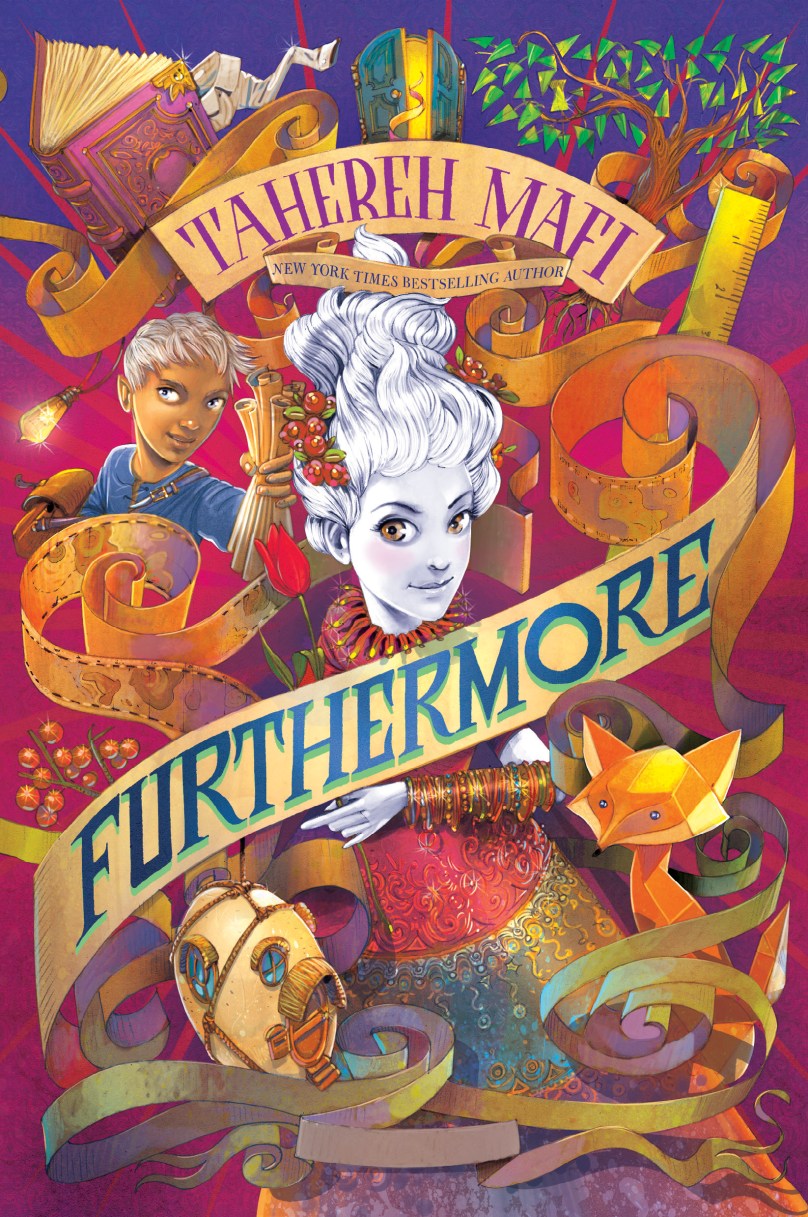
The first, Furthermore, by Tahereh Mafi, is colour and magic and fun.

Furthermore.jpg

It reminds me, in the colourful worldbuilding, the glorious characters, and the lush prose, of Catherynne Valente. The comparison does credit to them both, and I hope that both would be delighted with it, because both take these skills and use them to create fiercely original worlds and characters.

In Furthermore, Alice Alexis Queensmeadow, our story’s protagonist, is the only girl in Ferenwood, which thrives on colour, to be born colourless. It is difficult, of course, to be different, and she feels this on many levels: at school, at home, and– once her buffer, the father who always loved her no matter what, disappears– all throughout Ferenwood. Convinced that she is magicless and talentless in a society which lives on magic and magical talent, she remains proud and strong, and faces her world with what she has cultivated herself: her talent for dance.

It is not enough.

Devastated, she goes out to seek her father– and I think that’s where I should stop telling you the story. Instead, I’m going to tell you a bit about the construction and the feeling of the book, and tell you why I think you would enjoy it.

The construction is, on the surface, your classic “quest” story– girl goes out to seek father. Spoiler alert: she finds him in the end. Yawn.

Except not.

Everyone knows, of course, that Alice is going to find her father. Just as everyone knows in Howl’s Moving Castle that Sophie will conquer the Witch, and everyone knows in the Odyssey that Odysseus will complete his journey and come home and find Penelope and throw out the suitors. But… but. Did you know he’d find his old faithful dog again, too? Did you know that Penelope would test Odysseus to see whether he was still the husband she loved? In Howl, did you know what would happen with Calcifer? At the end of these books, it’s the relationships that matter, and they run in many directions.

The same is true, gloriously true, in Furthermore. Alice’s relationships grow and blossom and the isolated child of the first chapter ends the book surrounded by people who mean something to her. And it’s complicated by the fact that the relationships aren’t just between people, but between places, but I can’t tell you more about that… and apparently there’s a sequel… Tahereh Mafi is new to me, but Furthermore already feels like an old friend. I love books that do that.

One final word about Furthermore: It’s a story about colour, and I’d be remiss if I didn’t underline what I alluded to above: the colour of the language. This book is positively symphonic in its use of language. It’s gorgeous. Baroque, by times, colloquial by other times, it doesn’t feel inconsistent, it feels harmonic. Different registers, different uses of adjectives and adverbs– often elaborate, never overdone. You’ll enjoy the enthusiasm of the language as much as you enjoy Alice’s enthusiasm in the plot.

Now, the next book I wanted to tell you about is a new-to-me-but-old one: Joan Aiken’s Midnight Is a Place.

Midnight Is a Place.jpg

This one just fell into my lap over Passover. I had finished Furthermore more quickly than I’d anticipated (see above regarding how much I loved it to understand why that happened), the weather was dull and grey, I couldn’t work because it was a holiday, and basically, I needed a book. Fortunately I was in a place where books were in plenty, and this one was by Joan Aiken which meant it was good and–

Reader, it is the spiritual polar opposite of Furthermore, and it is phenomenal.

Gripping, haunting, grim, but, somehow, hopeful– the ending very nearly brought me to tears.

Lucas Bell is an orphan, living in Midnight Court, the splendid but cold and somewhat mysterious home of his guardian, Sir Randolph Grimsby. He can tell something is not quite right, but he can’t put his finger on what, or why. Gradually, gradually he finds things out– his guardian had won the Court in a bet from its rightful owner, but under dubious circumstances, and seems haunted by his past; there’s a girl, Anna-Marie, who suddenly shows up at the hall who is somehow connected to it, but how?; and when the Court goes up in flames, Randolph Grimsby dies in the blaze, and the children are left alone and penniless in a hostile town which hates anything remotely connected to their late, unlamented guardian–

It’s a dark story, isn’t it? And then consider the Dickensian or Gaskellian angle: Grimsby had owned the Mill, the horrible, inhumane carpet mill which runs through employees as swiftly as Grimsby himself ran through money. There’s the cruelty of the employers and the management, but there’s also the sadism of the Friendly association of the employees, ostensibly out to protect the employees against the hard press of the owners of the Mill– will the children end up having to work at such a place?

Or will they take the alternatives, turning to the town with industry, vim, and youthful vigour? After all, they’d hated the Court, and were wary of the Mill, so why not first try to earn their keep on the streets– or, in Lucas’s case, under it?

This book is a combination of brooding realism, Gothic mystique (think of the big house and the mystery surrounding it), and almost fantastical elements: is there a witch living in the old ice house? what happened to Mrs. Braithwaite’s baby when she goes off to Australia? and what’s in that mysterious box?

But nothing is allowed to remain too fantastical for long… after all, this is a grounded, realist piece of literature. The colours are all dark. If Furthermore was a riot of colour, Midnight Is a Place is all black and charcoal grey– or is it? Isn’t there a streak of colour in Anna-Marie’s frivolous little pink dress? I would argue that, dark as it is, if you read it closely, you’ll find it a shadowed rainbow, while Furthermore was a bright one.

But both are beautiful, and, ultimately, hopeful.

What have you been reading?

Here We Are

Where are you?

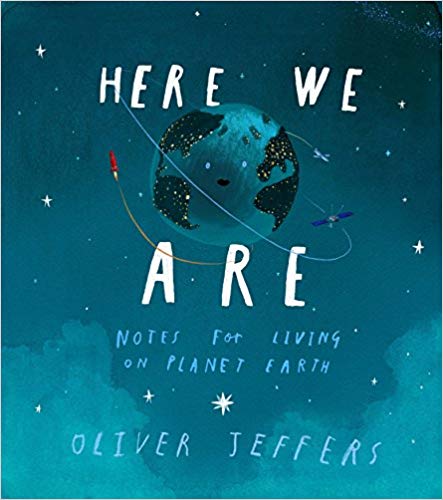
I’m on planet earth, in North America, in the United States, in Massachusetts, in Boston, in Inman Square, working and visiting my old neighbourhood… and suddenly I got the urge to write to you. And I thought, “Here We Are.” Here We Are is a beautiful book by Oliver Jeffers, whom you know (along with Sam Winston) from A Child of Books.

Here We Are.jpg

Oliver Jeffers is (arguably) one of the best-known children’s author-illustrators working today, and deservedly so. And Here We Are really shows his work at its best.

What do I love about Here We Are? Oh, there’s so much to love! The art is Jeffers’s best– the sketchy, child-friendly feel with infinite sophistication in the details. The text is warm and communicative without ever talking down to the child or the adult reading to the child.

But what I love best is the trajectory of the story. Do you remember way back when I first told you about Madlenka’s Dog? It’s been a while, so I won’t be offended if you need to refresh your memory. In brief, Madlenka’s Dog starts out with the universe and rapidly narrows its scope to Madlenka herself, and the others on her block who own dogs. Oliver Jeffers does something pretty similar, but his focus is a little difference and his pace is more gradual.

Oliver Jeffers begins in space, with a map of the solar system (“probably not to scale”), and talks about our place therein, then relative to the moon, then the land and the sea, then the sky, then the nature of the land and of the people who inhabit the land. He talks about our relationships to the earth and to each other. He talks about how similar and how different we are, one from another. Then he gets more specific, talking about families and what people do (“Generally how it works is that when the is out it is daytime, and we do stuff.”), and how things move slowly sometimes and quickly sometimes. And then he steps back, “Well, that is Planet Earth,” but never too far back (“I won’t be far away.”)– the direct address, as parent to child, keeps the book very intimate.

And I tell you this much: I am not a weepy sort of a person (except for the end of Tess of the D’Urbervilles, and Giselle, and… fine, I can be weepy, but not gratuitously weepy, OK?) but I got choked up at the last few pages of Here We Are.

I feel that’s important to tell you. Because this book does two things: a) It provides a kind of floor plan to living on earth, and b) It creates a sense of intimacy between the earth and its peoples, and among the people on the earth, and between the book and the reader… Basically, it’s a linking book. And we can use more links.

I can hear you now: “But… is it preachy?”

The answer is no. It is not remotely preachy. This is Oliver Jeffers, and he always manages to convey something valuable without talking down to the reader. In this book, written for his son, Harland, he speaks directly to his son (or the reader) without speaking down to him. And the warmth and humour of it keep the book upbeat; in that, I’m reminded of Joan Aiken, and I think she’d be happy with the comparison.

Since Jeffers’s son is a proxy for the reader, Oliver Jeffers speaks with warmth, humour, and love. It’s as though someone took a love letter and published it, but, you know, with consent. It’s not creepy! Is it educational? Sure! Who wouldn’t want to teach humanity and compassion to their child? But is it preachy? Not at all.

This is something I’ve been thinking about a lot lately, as I’ve been plowing through books about science (directly educational) and humanity (ranging from preachy to just educational) and pure kids’ lit (literary). My mum came to visit and read a Robert Munsch book to my daughter’s class, and we all remarked on how good it was, what pure fun for the kids, who all adored it– but simultaneously entertaining to the adults in the room.

In this case, I’d say Oliver Jeffers is really talking to kids, not adults. But because he treats kids as humans with good understanding, any adult who listens with an open mind can learn something, too. Compassion. Respect. Gentleness. How to tread a little more lightly on this planet we call our home.

And that, in the words of the last page, “You’re never alone on Earth.”

There’s a growing range of books out there about tolerance and respect. About being fiercely compassionate and standing up for yourself and others. Some, like A Friend for Henry, provide a much-needed perspective in a sensitive, open fashion. Others are, to be blunt, lacking in sensitivity, nuance, or, simply, in artistry, and I can’t see how a child would connect with them.

But I am universally glad these books are finally being written. They’ve definitely been lacking, and more voices is a good thing. Compassion is good. Diverse books are good. STEM and art books are good. They won’t all be good books, they won’t all last, but I thank publishers for bringing them out, and we’ll see which ones rise to the top.

I would lay a wager that one of the books which will last is Here We Are. Its message is strong, stronger than just one generation, and therefore I’m certain it will resonate for years. Its voice, likewise, is strong, and resonates with my daughter and I’m sure with other children.

Basically, I can’t recommend this book strongly enough. The art and message are beautiful, and it will help your child feel wanted and love, and, therefore, will help them love the earth and others. What more do we look for, as parents and teachers?

So give it a try, and then tell me what you think! I think I’m going to see if the Changeling wants to read it again tonight. I have a feeling she’ll say yes.

Fox + Chick

You may not have noticed, but I’ve been writing a dissertation in between posts. That’s been fun (no, really, it is!), but it does mean I’m not actually doing this full time, and that means that I miss out on writing about a lot of books I love. Books I love deeply.

Such as?

Well. Remember This Is Not a Picture Book!, by Sergio Ruzzier? Remember how much I loved it? (I’ve given it as a gift more than a few times.) Well, Sergio Ruzzier, to my great delight, wrote another book last year, Fox & Chick: The Party + Other Stories. (I never know whether those & and + are right, but let’s say they are!) I bought it and loved it and so does my Changeling. I never got around to writing it up here. It did rather well, to my delight, and was a Theodore Seuss Geisl Award Honoree (I may have squealed with joy over that). And then, a few weeks ago, Fox & Chick: The Quiet Boat Ride + Other Stories came out! I just got my copy today from my local Children’s Book Shop, and now I happen to have a crack of an instant to write here and I’m determined not to let the chance to sing the praises of these two delightful books pass me by.

We all know and love odd literary couples: Frog and Toad, Ant and Bee, Charlie and Mouse… well, if you love that kind of dynamic, you will adore Fox and Chick.

Tonight I read one of the Fox & Chick stories (“Chocolate Cake”) with the Changeling before bed. (She was as excited for new Fox and Chick stories as I was! She’s about five and a half, and the perfect age for these books, I think.) I asked her which of the two characters she preferred. She hemmed and hawed for a long while, mulling over the tricky question. “Fox,” she finally said, “because he’s a little bit more sensitive and always knows the right thing to say.” I see her point and was impressed by her reasoning, but I will tell you that that’s not the right answer. It wasn’t a question I was asking to find out anything about the characters, both of whom are lovable by any right-minded person; I asked the question to find out more about my daughter, and I wasn’t surprised by her answer.

Fox is decidedly sensitive, smart, and clear-thinking. He always sees reality, and sees the road straight before him. Chick is flightier, more imaginative, and more prone to fits of emotions of all kinds. He sees Anne Shirley’s “bends in the road.” Fox thinks twice and speaks once, Chick speaks before he thinks at all.

Each collection contains three stories, and they are all equally imaginative, original, and fresh. Despite the age-old technique of bringing together two opposing figures and hoping something fun comes of it (Aesop’s Fables, anyone?), the trick has not gotten old, and Sergio Ruzzier’s characters run into adventure after adventure (in Chick’s view) without ever getting boring (in our view!).

I was going to choose one story to talk about to give you a sample of what I’m talking about, but I quickly realized that would give the wrong impression, that the stories all follow a similar pattern. They don’t. In some, Chick might get up to mischief (“The Party,” in which Chick asks Fox if he can use the bathroom… but doesn’t tell Fox exactly what that request entails!), but in others, there’s peace and beauty (“The Sunrise,” in which the two friends might miss the sunrise but find beauty elsewhere) while in others there are moments of true, shared friendship (“Chocolate Cake” teaches us the joy in giving, receiving, and sharing). Nor are these divisions more than arbitrary; many share these elements and more.

I will tell you the plain truth: I’ve missed writing about every book that comes my way and delights me, but I haven’t felt too guilty about it, because a) this is a blog, not my profession, so I can’t possibly review everything– I’m not The Horn Book!; b) I’ve been busy, as mentioned above, with a little thing called my dissertation, not to mention my family; c) I write here for pleasure, and if I felt guilty that would detract from my pleasure, now, wouldn’t it?

I felt guilty when The Quiet Boat Ride came out and I realized I’d never reviewed The Party.

Why, I wondered? And I realized: it wasn’t that I felt like I’d let down Sergio Ruzzier– I like him very much, but I doubt he’s waiting on my thoughts! I felt like I’d let down Fox and Chick. They’d become my friends, much like Frog and Toad are my friends. Frog and Toad taught me the values of persistence, friendship, and hard work today so you can relax tomorrow. I wonder very much what Fox and Chick will teach the young readers of tomorrow? I know they’ve taught me to sit still for portraits, look for pirates in ponds, and always share my chocolate cake.