
I wasn’t going to do one of these. I’ve tried and tried to get behind “Best of” lists– they may, I’m told repeatedly, be entirely subjective, but they’re useful to booksellers and librarians! Don’t you like booksellers and librarians, Deborah?
Yes. I adore them. I love librarians so much that when my very favourite librarian asked me if I was going to write up books I’d loved this year, instead of saying, “No! I shall not! I fly in the face of convention! Best of lists are terrible things, because the only correct taste is mine, and I refuse to enter muddied waters. And, anyway, 2025 wasn’t a great year for books, in my view– what do you think, Amy?” I hesitated. And then she mentioned it again. And then we were emailing and she sent me her best books, which were interesting to read about and made me think– and then I went to the Boston Athenaeum and talked to the children’s librarian there and casually asked her what books she’d liked– and suddenly I had a list. Except then the unthinkable happened: I got locked out of this account and was forced to fold laundry instead.
So, finally, here goes. Buy local, or from a children’s book shop (how about Turtle Books or Woozles or Mabel’s Fables?), or go to your library and chat with the children’s librarian. Children’s librarians are, quite simply, the best.
I’m not being deliberately antagonistic or sassy when I say I think it wasn’t a great year. I genuinely think that award committees should be feeling a pinch this year in the good books department. That said, the books that did impress me this year were ones that I think would stand out in almost any year. So here goes, starting with a polar bear…

It’s hard to think back this far, but Bianca and the Butterfly by Sergio Ruzzier was January 2025. It’s been a repeat read, and it’s the kind of book that challenges me to improve my reading of it. It’s easy to read well, but by repeat experience I’ve found that it has a lot more to say when read beautifully. It’s been requested by name not just by my own little one but by my nieces visiting from Israel. “I want Bianca again, please, Auntie Deb!” The art is so stupendously good that I have two pieces framed and I catch visitors stopping and looking at them. This is what I mean when I say that the books that were good this year had a lot going for them: text that grabs the reader, art that arrests the eye.
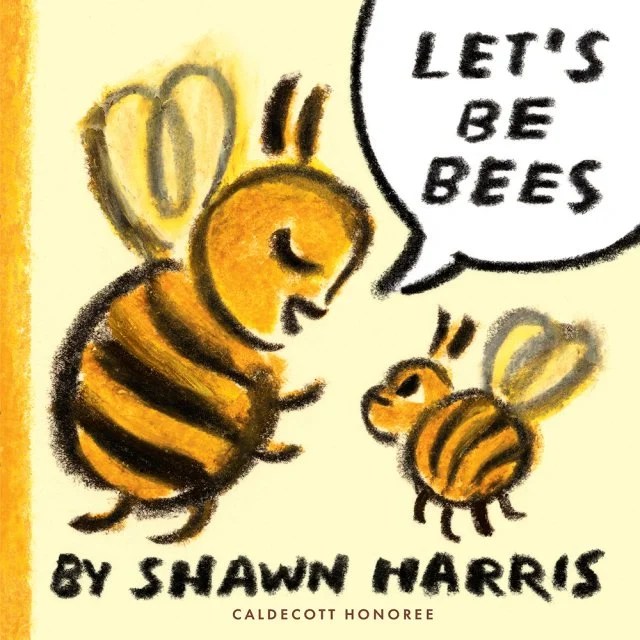
Let’s Be Bees by Shawn Harris was my early Caldecott pick because, frankly: a) it’s that good, b) so many others I thought were worthy aren’t eligible. And it’s still my top pick. The art is brilliantly soft, careful, and deliberate. It is refined to the highest degree of alignment with the text, while never overlapping too much. The tone matches; the art amplifies. Thank God the publisher was on board with allowing good paper for this exceptional book. That cheap glossy paper would have utterly undercut the art, but the matte finish, in addition to being more durable and pleasant for the reader, gives the art the medium it deserves.
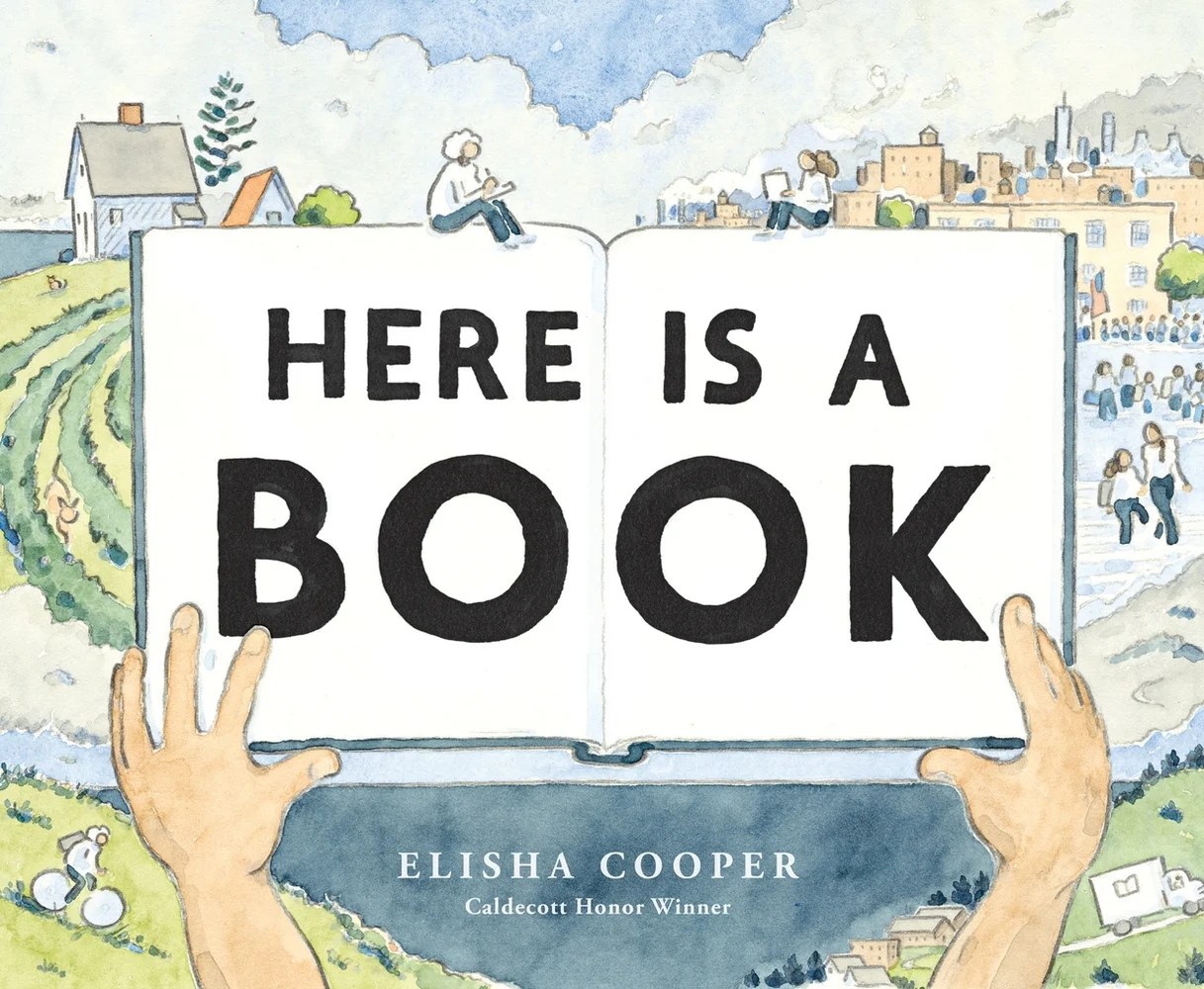
Elisha Cooper’s Here Is a Book was a masterly achievement of sentiment without sentimentality. It conveyed the work and love of book making and book enjoyment with down to earth tenderness. I always love Elisha’s art, and this is no exception (the blues, oh the blues), but the poetry of the text was top of mind for me in this book. I think the word count was likely higher for this book than many of his others, but without ever feeling one word too many. They have a firm ring to them, a textured loveliness, that is satisfying in the mouth and opens the heart.
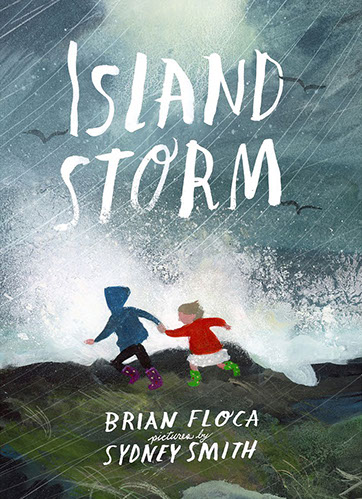
Brian Floca and Sydney Smith’s Island Storm was the book naturally closest to me of the whole year. It was from my mind, memory, and soul, and felt illustrated from my own hometown. It did not have the advantage of good paper, and I think that was next step to criminal. Sydney Smith’s art was luminously reflective, both figuratively and literally; the gleam of light on window and water was a huge achievement in his art. To put that on glossy paper where electric lights inevitably conflict with the light in the art was a decision I can’t get behind. That said, the brilliance of interplay between text and art, each embracing the other and adding more and more, gave it a crackling electricity of its own: human love in the grip of nature’s massive and impersonal power.
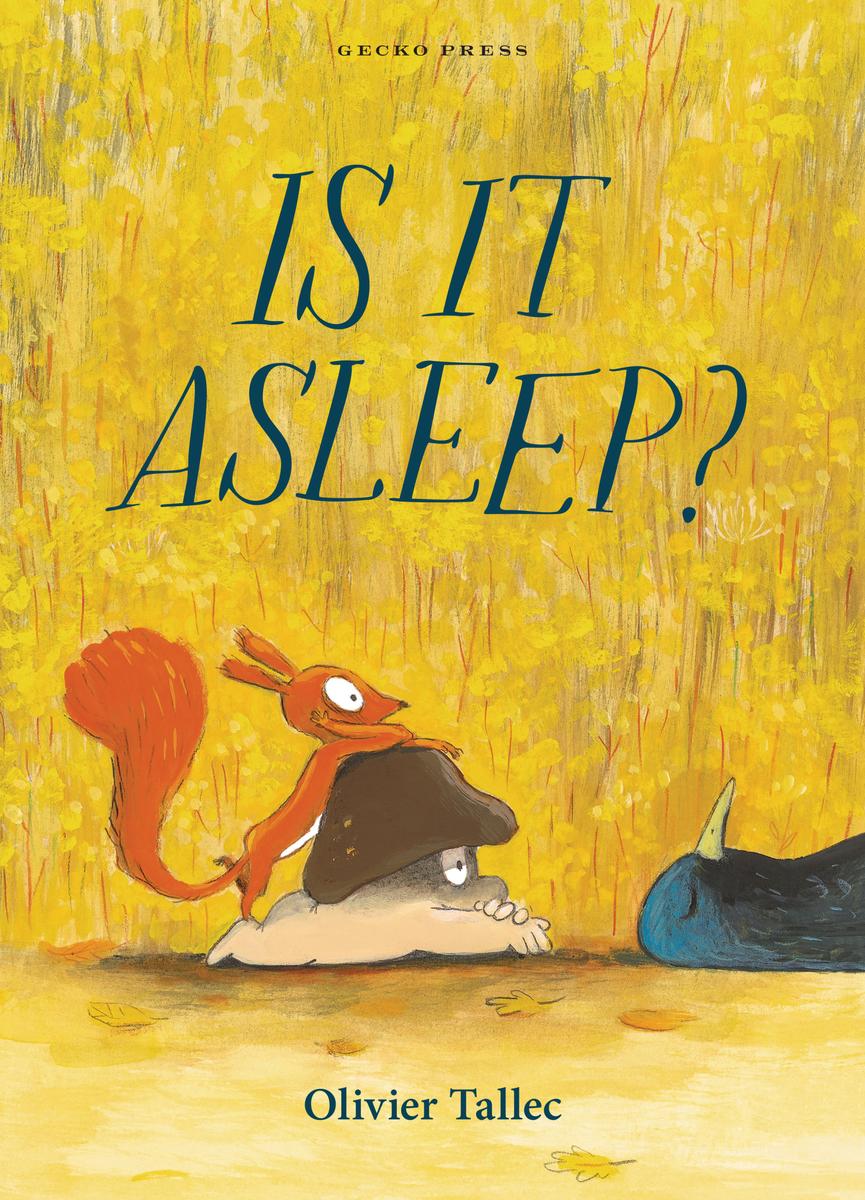
But the surprise books for me this year weren’t ones from people I knew or sources I see regularly. Is It Asleep? by Olivier Tallec would have been unknown to me if it hadn’t been for Yonatan at Adraba Books in Jerusalem, whom I was delighted to see for the first time in six years. He has the best taste of almost anyone I know, and sees the European books that don’t often make it into the American circles. I would have been sad to miss this one. Olivier Tallec is a huge favourite of mine; he has the energy of line of Sergio Ruzzier, with a similarly mischievous logic. Tallec doesn’t bother explaining death or telling you what to do or how to grieve. He simply shows it. And then it is. No platitudes, no moralizing. Let it be.
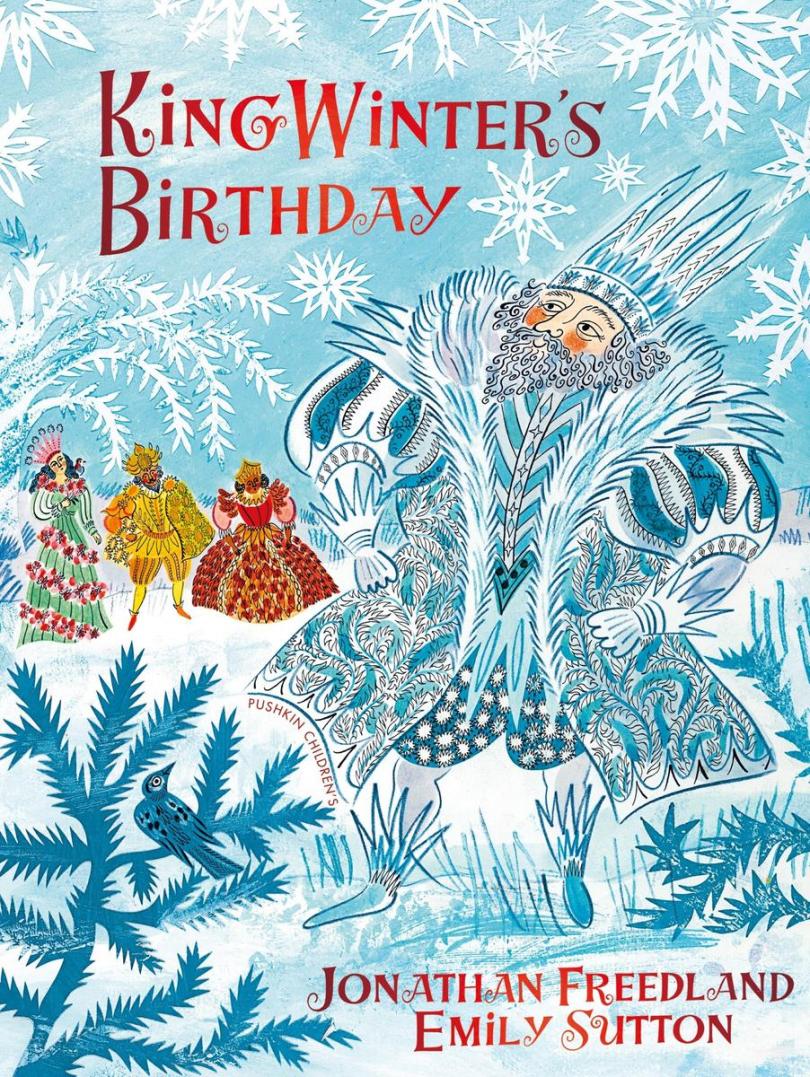
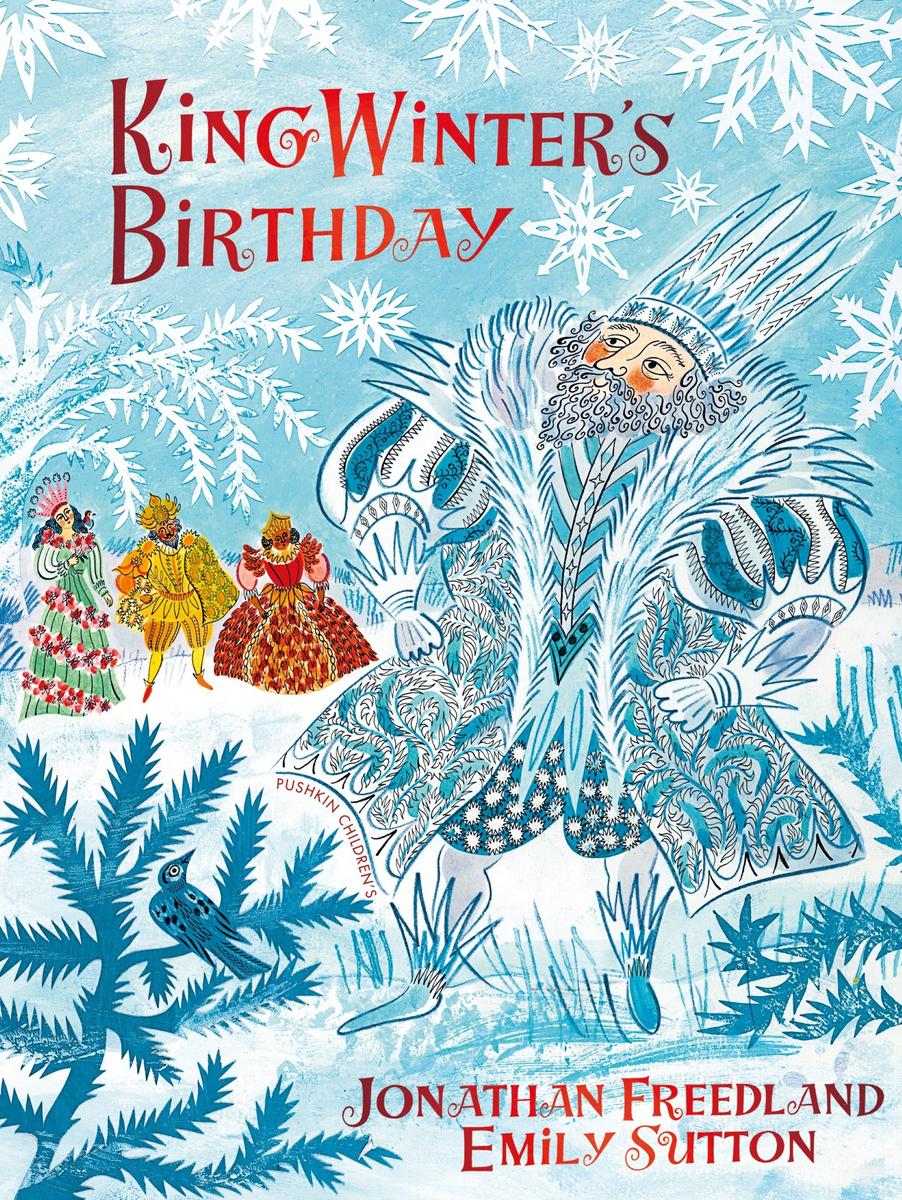
The other book that was a revelation was King Winter’s Birthday, from Pushkin Press, which I found at the Boston Athenaeum. Based on a manuscript from Ulrich Alexander Boschwitz, whose name should certainly have been on the cover, incidentally, it’s a fable, a myth, a fairy tale. It’s melancholy and beautiful and unresolvable. The story was found and then retold in its current form by Jonathan Freedland, and the art by Emily Sutton honours the roots and the entire atmosphere of the story. The pathos of the story’s story could overwhelm the story itself; I’ll let you search and find that story yourself. But for the lover of fable and myth, of fairy tale and folklore, the book stands on its own and says more about author than the author says about the book.
Each of these books would be enough for a good year in books, and I’m delighted to be able to tell you about a whole six that are of such high quality, so rooted in technique and skill, and so fresh in some form or other.
But I’m not doing another Best of list. At least not until the next person talks me into it.
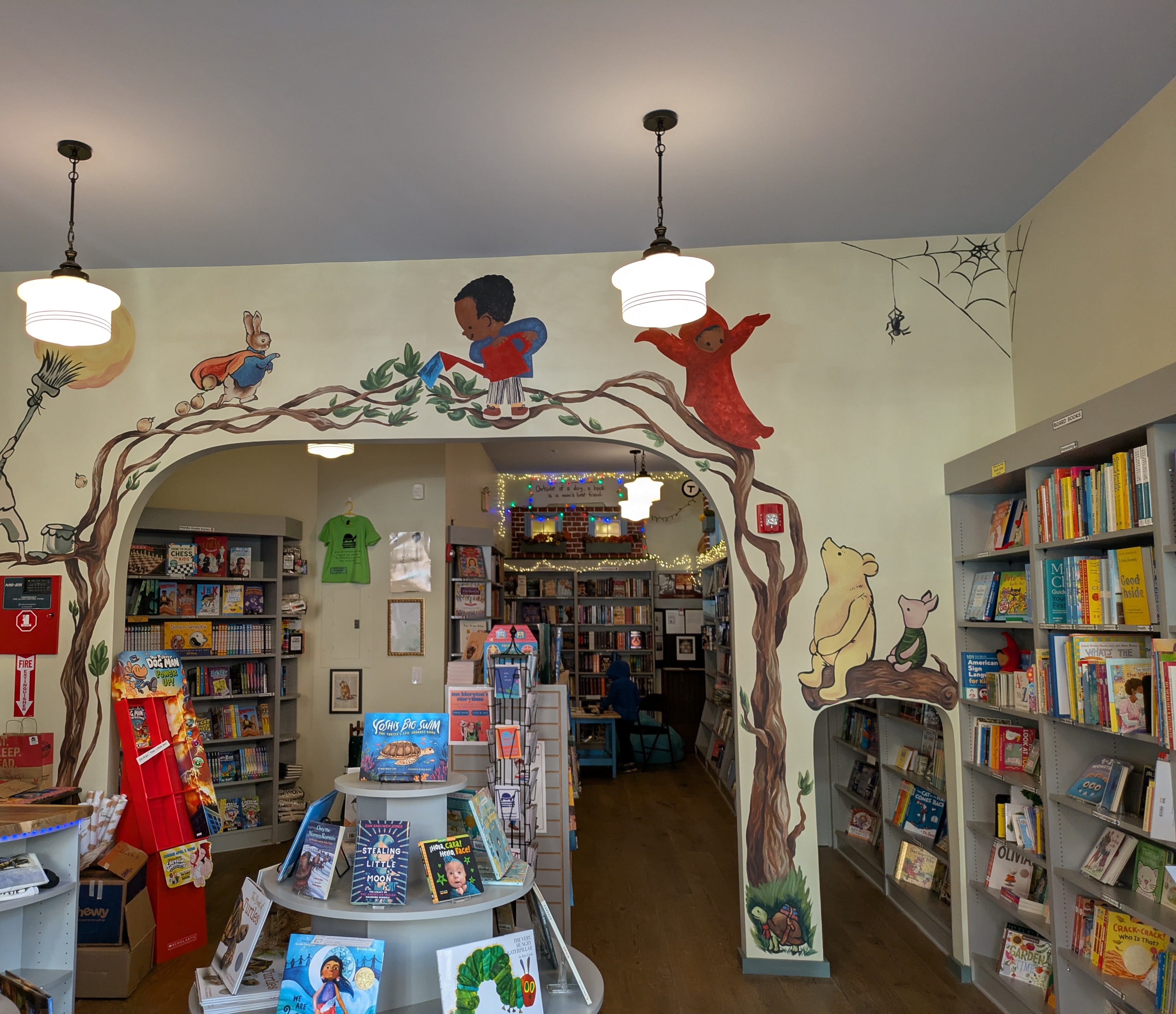
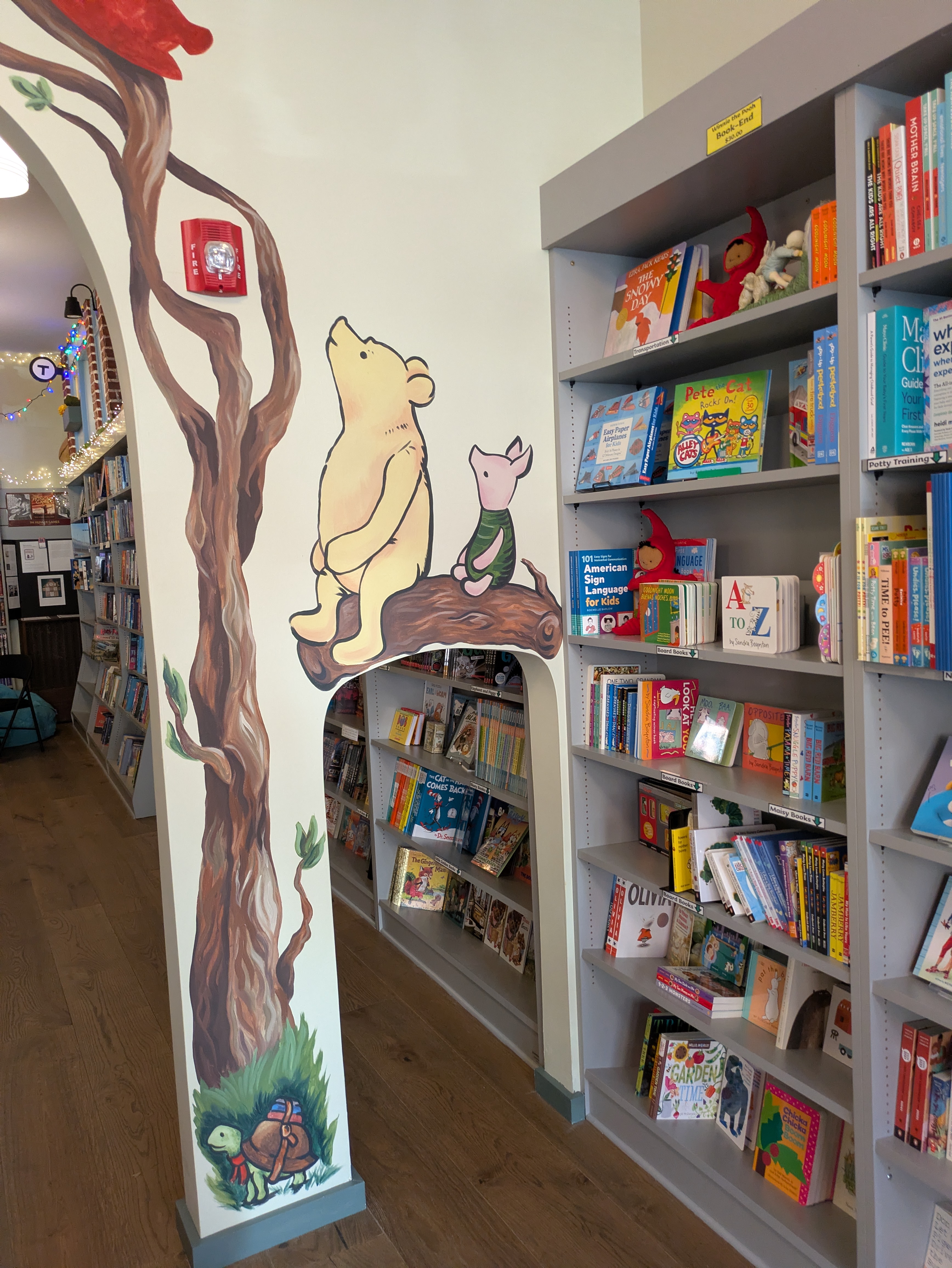
 The Children's Bookroom